
Series: Bill Pay by Card for Small Businesses
- What Is Bill Pay by Credit Card — And Why Is It Growing So Quickly?
- How Bill Pay by Credit Card Works Behind the Scenes for Small Businesses
- Behind the Scenes: Networks and Provider Structures
- When Paying Bills by Credit Card Makes Financial Sense
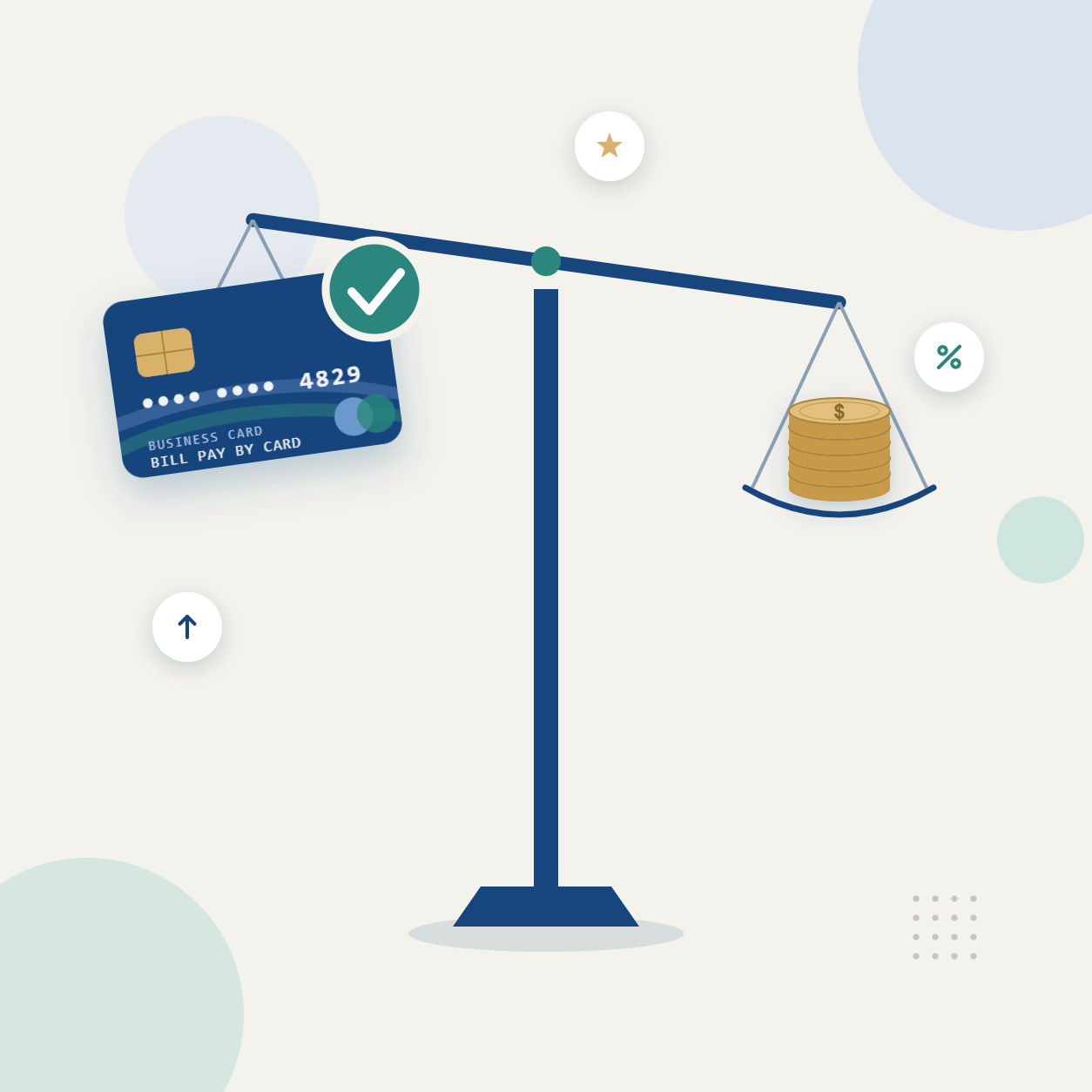
When Bill Pay by Card Makes Financial Sense for Canadian Businesses
By Craig Attiwill, Founder & CEO, Peloton Technologies
Many business owners I speak with understand how bill pay by card works, but they pause when it comes to deciding whether card-based invoice payments are the right move for their small business. Understanding the practical benefits, potential costs, and when it truly adds value is key to making an informed decision.
Paying bills by card can offer more than just flexibility – it can provide better cash management, reward points, streamline your AP processes and even result in early payment discounts. In fact, paying bills by card simulates, real-time payments, a broad infrastructure enhancement that – in the years to come – is expected to contribute more than $3 billion to the Canadian economy.
In this article, the fourth in my series, I’ll guide you through the key considerations for deciding when and how to use card payments to maximize benefits without introducing unnecessary costs.
Anytime throughout, I invite you to try Peloton’s calculator to see how much you could be saving by using Bill Pay by Card with Peloton, across all these aspects.
Let’s dive in:
1. Using Bill Pay by Card for supplier invoices improves cash flow management
The most common reason a business would choose bill pay by card is working capital flexibility. For instance, a Toronto-based retailer moving a $150,000 inventory invoice onto a credit card can maintain liquidity during seasonal sales cycles while still capturing early payment discounts. Heck, they might even sell that inventory before they need to pay off the credit card.
2. Using Bill Pay by Card for supplier invoices earns you rewards and cashback
Many Canadian business cards offer cashback, points, or travel rewards. Shifting supplier invoices onto a card can generate significant value for the cardholder and or business.
3. Using Bill Pay by Card for supplier invoices could result in early payment discounts
Some suppliers offer discounts for early payment. Using a card-enabled platform lets businesses capture these savings while still managing liquidity, which is especially useful for recurring expenses.
4. Using Bill Pay by Card for supplier invoices results in operational efficiency
Consolidating payments from multiple suppliers onto a single streamlined process reduces administrative burden, improves reconciliation, and creates a single source of truth for accounts payable.
5. Using Bill Pay by Card can provide tax advantages
Paying suppliers by card doesn’t change the deductibility of legitimate business expenses and – if the card carries interest or fees – those are typically deductible too. The cost of processing a credit card transaction is also typically a legitimate business expense. Using a card can reduce the effective cost of purchases through rewards and cashback, while preserving working capital.
6. Using Bill Pay by Card can streamline and reduce the cost of international supplier payments
Paying international suppliers can involve multiple parties and multiple in-person branch visits, racking up time and costs. A well-designed bill pay by card system combines great FX rates and reduces what can be weeks down to minutes of effort and adds significant FX savings.
The Bottom Line
Bill pay by card is not just a convenience – It’s a strategic tool for Canadian small and mid-sized businesses. Platforms like Peloton Technologies give businesses the ability to earn rewards, manage cash flow, and consolidate payments, while ensuring suppliers receive funds on time.
For companies that understand the mechanics and choose the right platform, credit card-enabled bill pay can turn everyday invoices into a financial advantage.
That marks the end of my series on Bill Pay by Card. You can read more about Bill Pay by Card here and chat with one of our payments experts any time.

About the auther
Craig is the Founder and CEO at Peloton where he has not only transformed the payments experience for SMBs, but has continued to play a hands-on role in innovation at the company. Prior to founding Peloton, Craig held senior engineering roles at Sierra Systems (now NTT Data), Visiphor Corporation (now I2 Group) – which supplies software products to the criminal justice system – and BAE Systems, one of the world’s largest defense contractors. He has also served as senior technology consultant supporting Quartech – CGI, Deloitte, Accenture and IBM. His background in serving both the public and private sectors, including in defense, has been key to the success of Peloton here in Canada. Craig immigrated from Australia in 2005.