
Series: Bill Pay by Card for Small Businesses
- What Is Bill Pay by Credit Card — And Why Is It Growing So Quickly?
- How Bill Pay by Credit Card Works Behind the Scenes for Small Businesses
- Behind the Scenes: Networks and Provider Structures
- When Paying Bills by Credit Card Makes Financial Sense
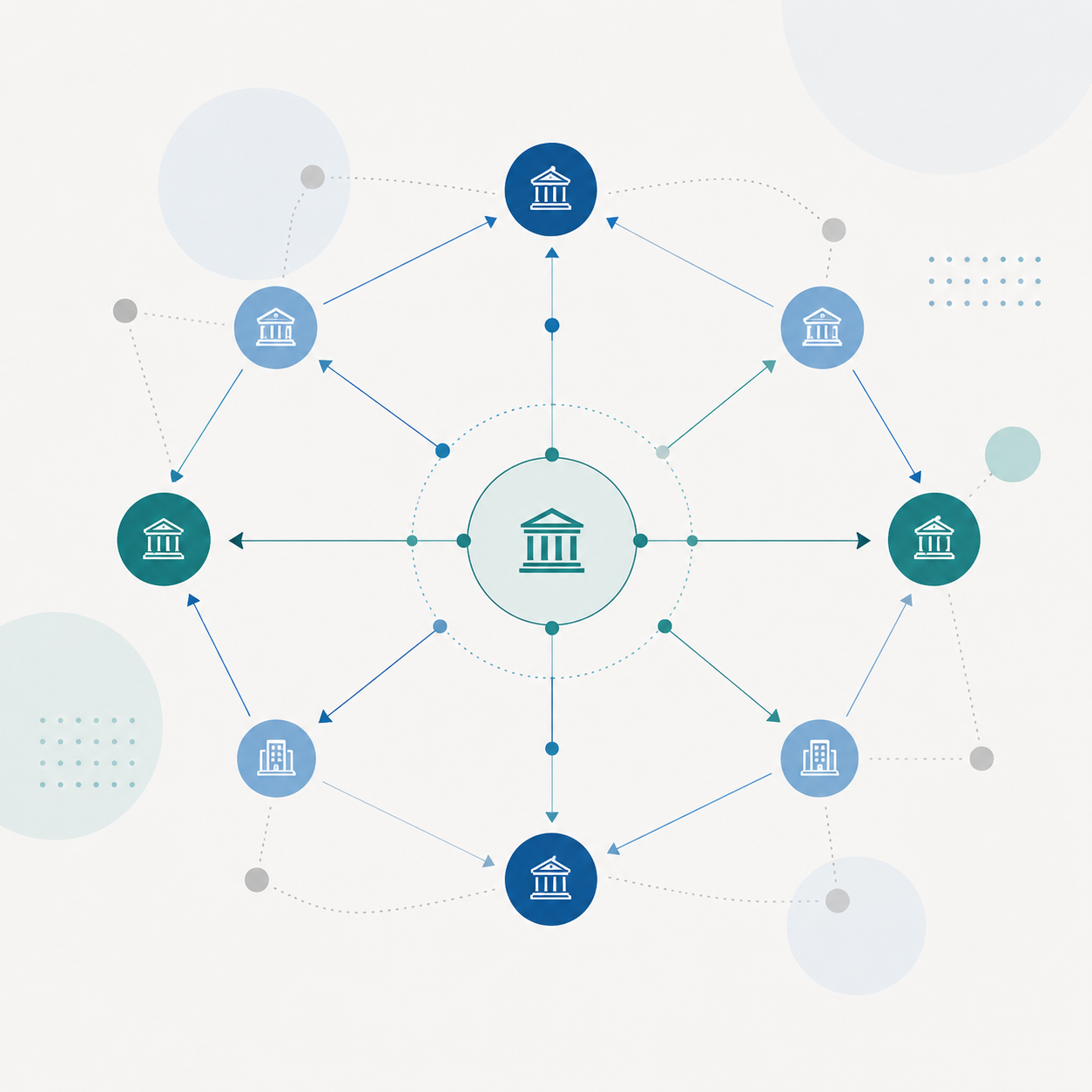
Behind the Scenes: Networks and Provider Structures
By Craig Attiwill, Founder & CEO, Peloton Technologies
In the first two articles in this series, I explained why more businesses are paying suppliers with credit cards and how Bill Pay by Card works behind the scenes.
Once business owners understand the basic mechanics, the next question is the practical one: which fintech platform actually fits how I need to pay my suppliers?
That question matters more than it sounds, because no single Bill Pay by Card platform can do everything. Before you sign up with a provider, it’s worth knowing whether they can support:
- The suppliers you pay – domestic or international, large invoice or small, business or consumer (e.g., rent or tuition).
- The card you want to use, whether that’s Visa, Mastercard, or Amex; personal or business; the card type that earns you the most rewards.
- The industries you pay into — some categories are restricted under network rules.
- The way your supplier wants to be paid. That could be EFT, wire, cheque, or online bank transfer.
The reason fintech platforms differ on these dimensions comes down to two things: which card network programs they’re plugged into, and how they’ve built their payout connections to suppliers. Let’s dive into that a little bit more.
How Visa, Mastercard, and Amex Enable Bill Pay by Card
All Bill Pay by Card solutions rely on infrastructure provided by the major card networks, but each network structures its programs slightly differently. Visa offers its Business Payment Solution Providers (BPSP) program, which allows registered partners to process payments to domestic and international suppliers under Visa’s established commercial rules. Mastercard, as of January 2025, provides a very similar program called Business Payment Service Provider (BPSP) program, sharing the BPSP acronym with Visa and supporting domestic and cross-border supplier payments. American Express, acting as both network and issuer, enables approved partners to facilitate supplier payments as a Bill Pay Provider (BPP) under Amex’s Indirect Acceptor model. The trade-off: Amex tends to be more limited on supplier types and international payments, but its rewards program is among the strongest available to Canadian businesses.
Why Your Fintech’s Structure Matters for Supplier Payments
While the card networks provide the underlying programs for transactions on your credit card, fintech platforms are the ones that deliver the payment and develop the user experience.
Not all fintechs enable all card networks, and agreements between the providers and the networks may also differ. Comparing providers is not apples to apples. Today, fintech companies participate directly in card network programs as approved or registered partners for the programs mentioned earlier. Before the development of these programs, many providers operated under a patchwork of agreements and special permissions — some still operate this way today. I highly recommend ensuring your provider is registered appropriately with the network and operating under the new program structures which provide:
- Clear transaction classification
- Defined compliance requirements
- Network-level reporting and transparency
- Established rules governing how payments are processed
For business owners, these differences will influence what type of payments can be processed and what capabilities a fintech platform can support.
Questions Businesses Should Ask
For business owners evaluating bill pay by card platforms, it is worth asking a few basic questions:
- Does the platform operate within a card network’s commercial payment program?
- Is the provider a registered partner with the networks it supports?
- What types of payments are supported (domestic, international, large invoices)?
- How are suppliers paid, and how transparent is the transaction trail?
- What is the all-in cost for the payments you make most often — a domestic EFT versus an international wire, for example?
- How will your card rewards or cashback program treat the transaction, and will you earn the full rewards?
These questions help clarify how a platform is structured and whether it aligns with a company’s payment needs.
The Bottom Line
Bill pay by card is growing quickly because it solves a real problem: businesses want the flexibility of using their credit cards even when suppliers don’t accept them directly.
Behind the simple experience of paying an invoice with a card is a fairly complex ecosystem involving card networks, financial institutions, and fintech platforms.
Understanding how those pieces fit together, particularly the role of the card networks and the structure of the provider facilitating the payment, can help businesses choose a solution that supports their needs both today and as they grow.
In the next article in this series, I will look at when paying bills by card actually makes financial sense, including considerations like working capital, rewards, and supplier relationships.
For more on bill pay by card in the meantime, check out Peloton’s website.

About the auther
Craig is the Founder and CEO at Peloton where he has not only transformed the payments experience for SMBs, but has continued to play a hands-on role in innovation at the company. Prior to founding Peloton, Craig held senior engineering roles at Sierra Systems (now NTT Data), Visiphor Corporation (now I2 Group) – which supplies software products to the criminal justice system – and BAE Systems, one of the world’s largest defense contractors. He has also served as senior technology consultant supporting Quartech – CGI, Deloitte, Accenture and IBM. His background in serving both the public and private sectors, including in defense, has been key to the success of Peloton here in Canada. Craig immigrated from Australia in 2005.