
Series: Bill Pay by Card for Small Businesses
- What Is Bill Pay by Credit Card — And Why Is It Growing So Quickly?
- How Bill Pay by Credit Card Works Behind the Scenes for Small Businesses
- Comparing Bill Pay Platforms: What Business Owners Should Know
- When Paying Bills by Credit Card Makes Financial Sense
How Bill Pay by Card Works Behind the Scenes for Small Businesses
By Craig Attiwill, Founder & CEO, Peloton Technologies
In the first article in this series, I explained why Bill Pay by Card is becoming more common among small businesses. For many owners, the idea raises an obvious question: how does it actually work if the supplier doesn’t accept cards?
The answer is that bill pay platforms sit in the middle of the transaction. They allow the business to pay with a credit card while ensuring the supplier receives funds in the format they normally expect – typically as a bank transfer or cheque.
The process is simpler than many business owners assume, but there are several steps happening behind the scenes.
Here’s how the process works, step by step:
Step 1: Upload the Invoice
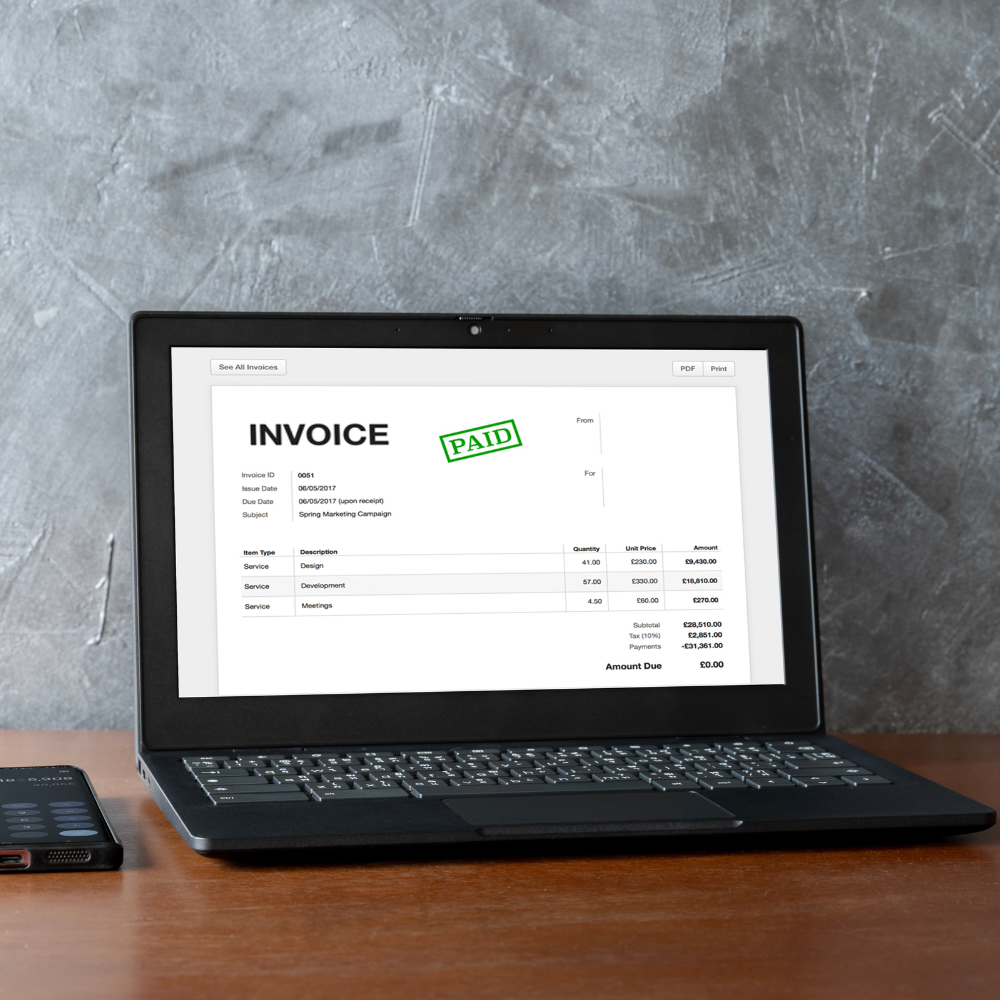
A business enters a supplier invoice or payment request into a Bill Pay by Card platform, such as Peloton Technologies. This could be a supplier invoice, rent payment, contractor fee, tax bill, or professional services invoice.
The invoice – or a contractual agreement – is an essential step for bill pay as the credit card regulations require that each card transaction have an audit trail to a particular supplier payment.
Step 2: Pay with a Credit Card
The business charges the amount to a credit card. This is where working capital flexibility and rewards come in: the business delays cash outflow and may earn early payment discounts, rewards points, cashback, or miles.
This model is often referred to as credit card-enabled bill pay or card-based invoice payments.
Step 3: Supplier Gets Paid
The Bill Pay platform converts the card payment into the supplier’s preferred method:
- EFT or ACH (Canadian / US bank transfers)
- Wire transfers (domestic or international)
- Cheques
Bill Pay providers often perform any required currency conversions as well. The bonus here is that those providers who process larger volumes, such as Peloton, can typically offer lower conversation rates than standard small business banking rates, stretching the business’ dollar even further.
From the supplier’s perspective, the payment arrives exactly like a traditional bank payment. No new accounts, no card terminals, no changes to accounting systems.
In other words, the platform handles the complexity of converting a card payment into a traditional supplier payment, and factors in both domestic and international requirements.
Why This Matters in Canada
Canadian businesses still issue millions of cheques annually, and much of B2B payment activity remains manual. Not to mention, Canadian businesses are already highly comfortable using credit cards – 80% are already using credit cards for operational purposes.
By extending that and using card-enabled bill pay:
- Businesses can consolidate payments
- Improve reconciliation
- Gain control over cash flow
- Save money on FX and international payments
- Earn even more rewards or cash back
For example, a Toronto-based retail chain paying multiple inventory suppliers each month can move hundreds of thousands of dollars in supplier invoices onto a card, freeing up liquidity while simplifying reconciliation across locations.
My next article will explain why all platforms are not created equal and what small businesses should consider when choosing one.
In the meantime, feel free to check out Bill Pay by Card with Peloton Technologies.

About the auther
Craig is the Founder and CEO at Peloton where he has not only transformed the payments experience for SMBs, but has continued to play a hands-on role in innovation at the company. Prior to founding Peloton, Craig held senior engineering roles at Sierra Systems (now NTT Data), Visiphor Corporation (now I2 Group) – which supplies software products to the criminal justice system – and BAE Systems, one of the world’s largest defense contractors. He has also served as senior technology consultant to Quartech, CGI and Deloitte. His background in serving both the public and private sectors, including in defense, has been key to the success of Peloton here in Canada. Craig immigrated from Australia in 2005.